Original Art for sale | NEW CREAM
“the secret garden” curated by Carla Gerbino

L'intimità, in quanto dimensione esistenziale, non esiste senza l’altro: non c'è senza il corpo che ci avvicina, senza il pensiero che ci provoca, senza lo spazio che ci accoglie e ci avvolge. È un'esperienza che si misura sul confine sottile tra ciò che scegliamo di condividere e ciò che rimane celato, protetto dalla curiosità altrui. Eppure, per quanto l’intimità sia profondamente legata alla relazione, essa non si limita a un incontro con l'altro, ma è soprattutto un confronto con noi stessi, con le nostre vulnerabilità più intime, con quei tratti della nostra psiche che non sono visibili e che non sempre riusciamo ad esprimere.
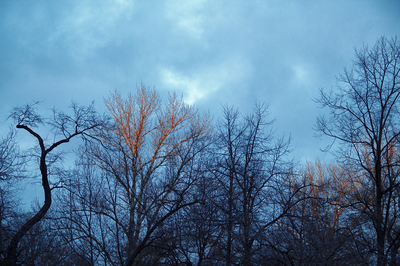
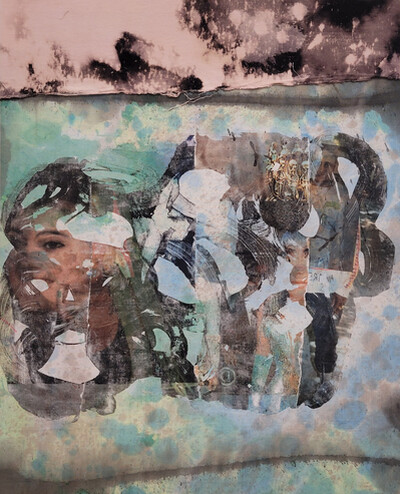
Mai come oggi il modo di vivere l'intimità è cambiato. La dimensione privata è diventata vulnerabile, con una velocità che spesso ci sfugge. Eppure, in questo mare di esposizione, alcuni spazi restano ancora intoccati. Alcuni luoghi, alcuni gesti, alcuni silenzi, rimangono immutati nella loro essenza più profonda. Un esempio è riscontrabile nella ricerca di Leila Erdman, che esplora temi come la giovinezza, la fragilità e le emozioni personali, presentando scatti evocativi e concettuali. Le sue fotografie spesso sono ambigue, sospese, lasciando che lo spettatore interpreti le emozioni piuttosto che presentarle in modo diretto. Questo approccio crea una sensazione di intimità che invita lo spettatore a entrare nel mondo interiore del soggetto, senza imporsi, lasciando che l’emozione emerga attraverso piccoli dettagli, intimi e privati ma in cui chiunque si può ritrovare e che hanno la capacità di scatenare un senso di empatia comune.
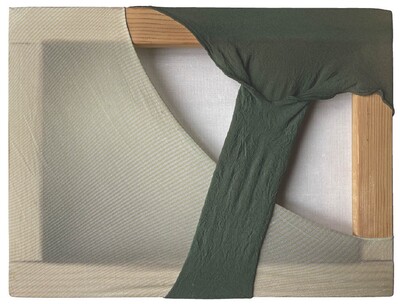
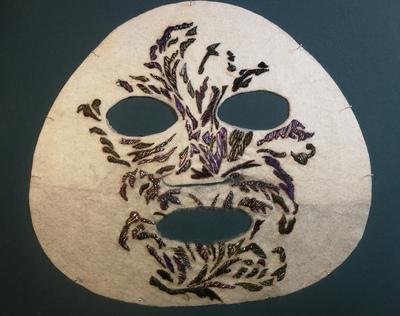
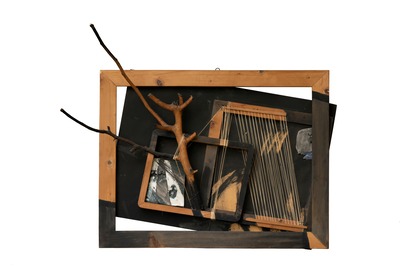
Allora stesso modo, nel lavoro Renata Prunas il gesto semplice e rituale di annodare e cucire diventa un atto di rivelazione emotiva. Attraverso l’utilizzo di collant - simbolo di industrializzazione e oggetto del quotidiano - annodati, cuciti, tagliati, sovrapposti, forma delle insolite geometrie e rivelano un lessico femminile e un profondo senso di dolore, in questo caso silenzioso, intimo, composto, fermato dai nodi che plasmano la forma dei veli di nylon.
Eppure, mentre l’intimità trova la sua forma più fragile nelle relazioni, essa ha anche una dimensione che trascende il contatto umano: quella che si stabilisce con l’ambiente che ci circonda. La natura, nella sua capacità di accogliere e di trasformare, diventa uno di questi luoghi di intimità, un rifugio che ci riconnette con noi stessi, lontano dal rumore del mondo esterno. Da sempre, nell’arte, la natura è uno dei luoghi in cui si concretizza questa intimità. Non solo come soggetto da osservare, ma come spazio di relazione, un luogo dove il rapporto con noi stessi si fa più chiaro e definito, divenendo un territorio di riflessione, un palcoscenico che invita a un dialogo con l'io più nascosto.
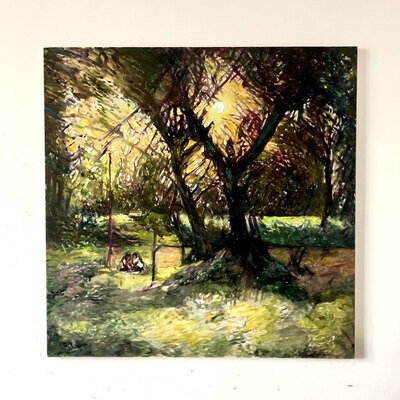
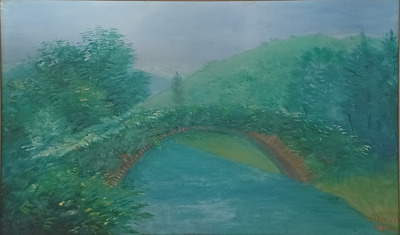
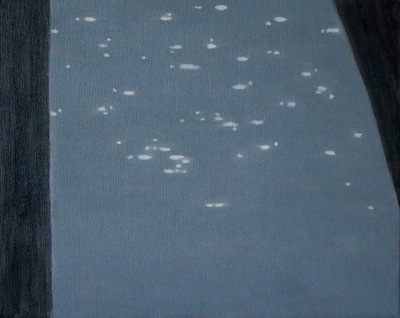
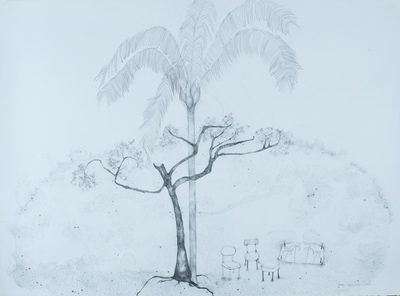
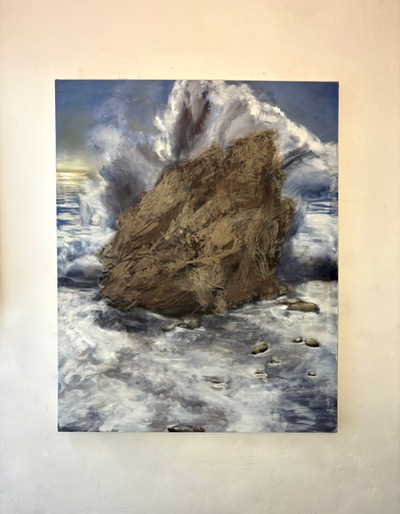
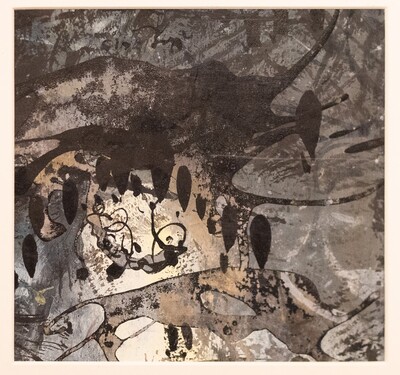
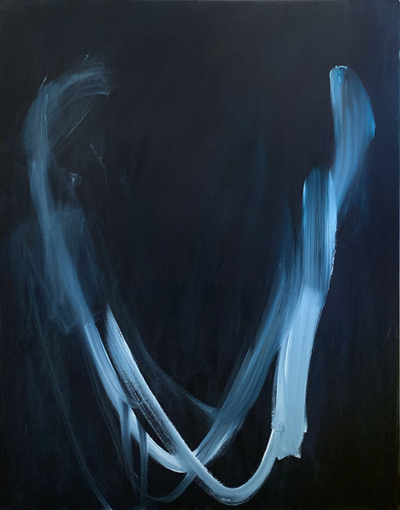
Nella sua ricerca, Tullia Mazzotti si concentra sul paesaggio inteso come spazio riflessivo, dove i toni scuri sono riflesso di tumulti interiori. Il paesaggio, con la sua mutevolezza, è al tempo stesso uno specchio dell'anima e una tela sulla quale l'artista dipinge le proprie emozioni, frammenti di sé che difficilmente potrebbero essere espressi altrimenti. C'è un paradosso in questa relazione: se da un lato la natura appare lontana, silenziosa e distante, dall'altro essa riesce ad accogliere ciò che non può essere detto con parole. È un luogo dove l’intimità si fa visibile, dove la vulnerabilità dell’animo umano può essere esplorata senza il timore del giudizio esterno. Attinge dai ricordi e dalle sue esperienze d'infanzia, rappresentando luoghi della sua memoria emotiva legati alla natura attraverso lunghe camminate solitarie, creando connessioni tra il personale e l'universale.
In ogni forma di intimità, che sia quella tra corpi, tra anime o tra noi e la natura, c'è sempre un incontro silenzioso con la nostra vulnerabilità. È un atto che non ha bisogno di spiegazioni, ma che si realizza solo nel momento in cui ci lasciamo immergere nel nostro io più profondo. Così come nella natura, dove ogni gesto, ogni cammino solitario riflette la nostra essenza più nascosta, anche l’intimità più silenziosa si fa visibile, non attraverso le parole, ma nei piccoli frammenti di esperienza condivisa.
ENG Intimacy, as an existential dimension, cannot exist without the other: it cannot exist without the body that draws us closer, the thought that challenges us, the space that surrounds us. It is an experience measured by the fine line between what we choose to share and what remains hidden, protected from the curiosity of others. Yet, while intimacy is deeply connected to relationships, it is not limited to encounters with others; it is above all a confrontation with ourselves, with our most intimate vulnerabilities, with those aspects of our psyche that are not visible and that we do not always succeed in expressing. Never before has the way we experience intimacy changed so much. The private realm has become vulnerable at a pace that often escapes us. And yet, in this sea of exposure, some spaces remain untouched. Some places, some gestures, some silences, remain unchanged in their deepest essence. An example can be found in the research of Leila Erdman, who explores themes such as youth, fragility and personal emotions, presenting evocative and conceptual images. Her photographs are often ambiguous, like suspended, leaving the viewer to interpret the emotions rather than presenting them directly. This approach creates a sense of intimacy that invites the viewer into the subject's inner world without imposing it, allowing emotion to emerge through small, intimate, and private details that anyone can relate to and which have the power to evoke a sense of shared empathy. Similarly, in Renata Prunas's works, the simple, ritualistic act of tying and sewing becomes an emotional revelation. Using tights—symbols of industrialization and everyday objects—tied, sewn, cut, and layered, she forms unusual geometries that reveal a feminine lexicon and a deep sense of pain, in this case silent, intimate, composed, held together by the knots that shape the nylon veils. Yet, while intimacy finds its most fragile form in relationships, it also has a dimension that transcends human contact: the one established with the environment around us. Nature, in its capacity to welcome and transform, becomes one of these places of intimacy—a refuge that reconnects us with ourselves, away from the noise of the external world. Throughout art history, nature has always been one of the places where intimacy materializes. Not only as a subject to observe, but as a space of relationship—a place where our connection with ourselves becomes clearer and more defined, a territory for reflection, a stage that invites dialogue with our innermost self. In her work, Tullia Mazzotti focuses on the landscape as a reflective space, where dark tones reflect inner turmoil. The landscape, with its changing nature, is both a mirror of the soul and a canvas upon which the artist paints her emotions—fragments of herself that could hardly be expressed otherwise. There is a paradox in this relationship: on one hand, nature appears distant, silent, and remote; on the other, it manages to embrace what cannot be spoken in words. It is a place where intimacy becomes visible, where the vulnerability of the human soul can be explored without the fear of external judgment. Drawing from her memories and childhood experiences, Mazzotti represents places from her emotional memory connected to nature through long solitary walks, creating connections between the personal and the universal. In every form of intimacy—whether between bodies, souls, or with nature—there is always a silent encounter with our vulnerability. It is an act that needs no explanation but is realized only when we allow ourselves to immerse in our innermost selves. Just as in nature, where every gesture, every solitary walk reflects our hidden essence, even the most silent intimacy becomes visible—not through words, but in the small fragments of shared experience.
ENG Intimacy, as an existential dimension, cannot exist without the other: it cannot exist without the body that draws us closer, the thought that challenges us, the space that surrounds us. It is an experience measured by the fine line between what we choose to share and what remains hidden, protected from the curiosity of others. Yet, while intimacy is deeply connected to relationships, it is not limited to encounters with others; it is above all a confrontation with ourselves, with our most intimate vulnerabilities, with those aspects of our psyche that are not visible and that we do not always succeed in expressing. Never before has the way we experience intimacy changed so much. The private realm has become vulnerable at a pace that often escapes us. And yet, in this sea of exposure, some spaces remain untouched. Some places, some gestures, some silences, remain unchanged in their deepest essence. An example can be found in the research of Leila Erdman, who explores themes such as youth, fragility and personal emotions, presenting evocative and conceptual images. Her photographs are often ambiguous, like suspended, leaving the viewer to interpret the emotions rather than presenting them directly. This approach creates a sense of intimacy that invites the viewer into the subject's inner world without imposing it, allowing emotion to emerge through small, intimate, and private details that anyone can relate to and which have the power to evoke a sense of shared empathy. Similarly, in Renata Prunas's works, the simple, ritualistic act of tying and sewing becomes an emotional revelation. Using tights—symbols of industrialization and everyday objects—tied, sewn, cut, and layered, she forms unusual geometries that reveal a feminine lexicon and a deep sense of pain, in this case silent, intimate, composed, held together by the knots that shape the nylon veils. Yet, while intimacy finds its most fragile form in relationships, it also has a dimension that transcends human contact: the one established with the environment around us. Nature, in its capacity to welcome and transform, becomes one of these places of intimacy—a refuge that reconnects us with ourselves, away from the noise of the external world. Throughout art history, nature has always been one of the places where intimacy materializes. Not only as a subject to observe, but as a space of relationship—a place where our connection with ourselves becomes clearer and more defined, a territory for reflection, a stage that invites dialogue with our innermost self. In her work, Tullia Mazzotti focuses on the landscape as a reflective space, where dark tones reflect inner turmoil. The landscape, with its changing nature, is both a mirror of the soul and a canvas upon which the artist paints her emotions—fragments of herself that could hardly be expressed otherwise. There is a paradox in this relationship: on one hand, nature appears distant, silent, and remote; on the other, it manages to embrace what cannot be spoken in words. It is a place where intimacy becomes visible, where the vulnerability of the human soul can be explored without the fear of external judgment. Drawing from her memories and childhood experiences, Mazzotti represents places from her emotional memory connected to nature through long solitary walks, creating connections between the personal and the universal. In every form of intimacy—whether between bodies, souls, or with nature—there is always a silent encounter with our vulnerability. It is an act that needs no explanation but is realized only when we allow ourselves to immerse in our innermost selves. Just as in nature, where every gesture, every solitary walk reflects our hidden essence, even the most silent intimacy becomes visible—not through words, but in the small fragments of shared experience.
The collection’s works