Original Art for sale | NEW CREAM
“Many Signs, Many Meanings” curated by Carla Gerbino
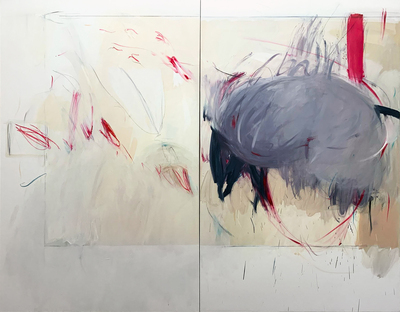
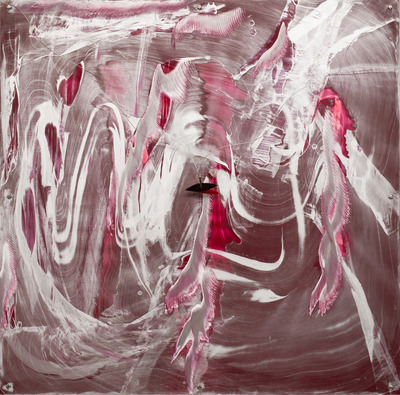
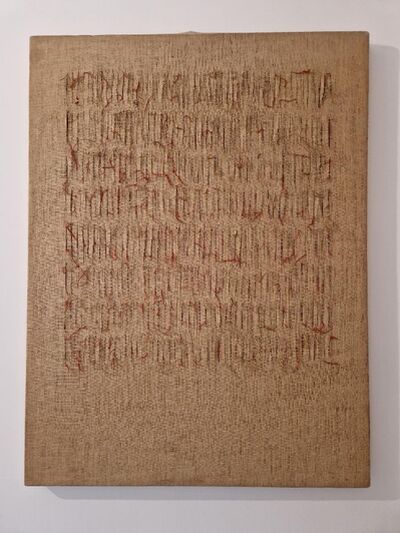
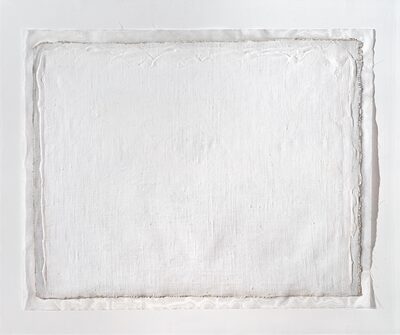
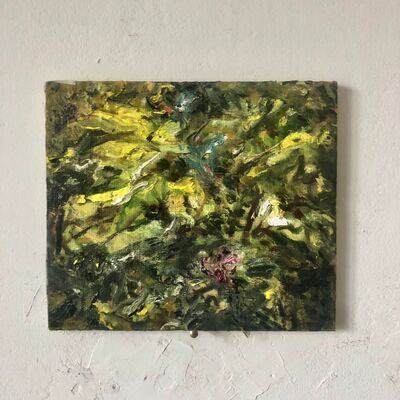
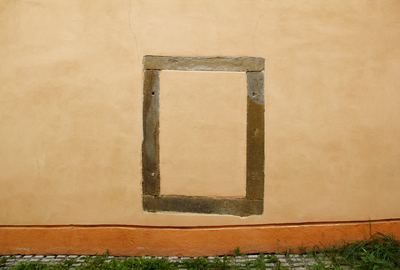
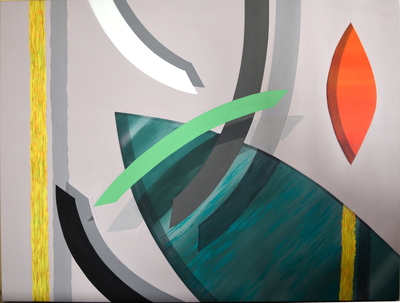
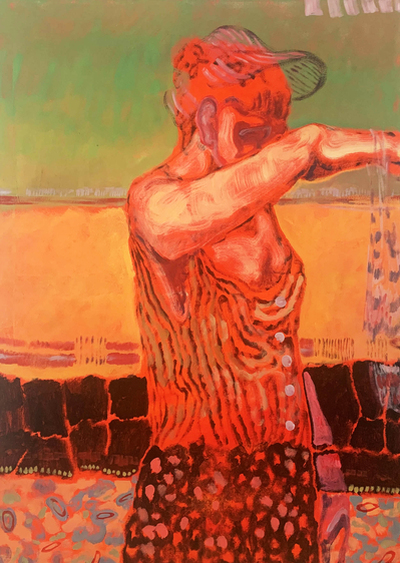
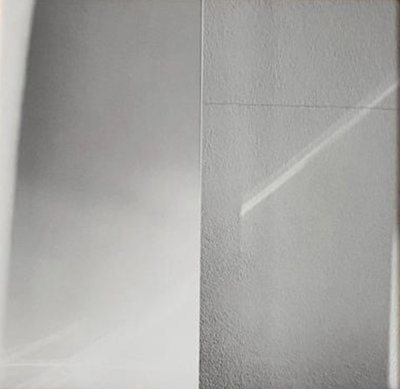
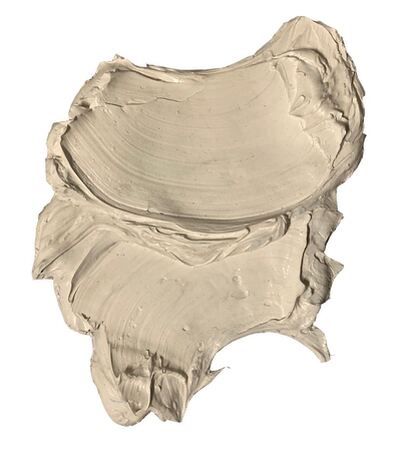
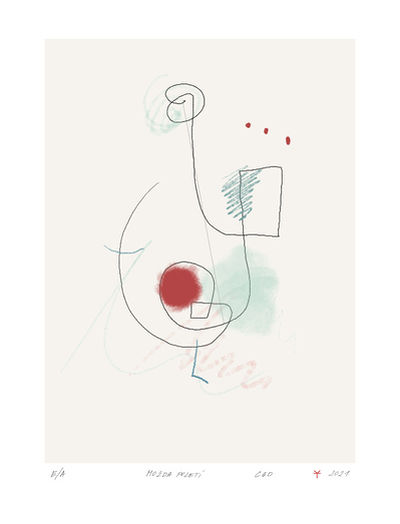
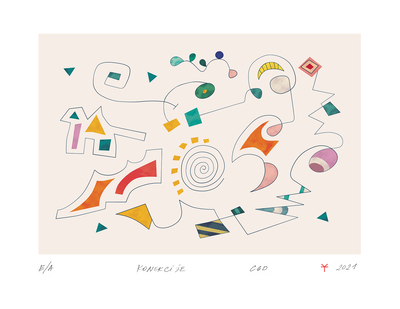
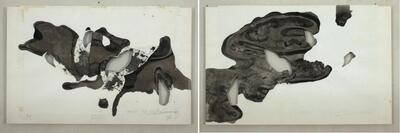
La polisemia è la capacità di un segno di esprimere più di un significato, talvolta addirittura opposto a quello originario, per via dell’evoluzione del suo uso. La sua naturale polivalenza è una delle caratteristiche distintive dell’arte. In questo contesto, il segno non si limita a essere un semplice simbolo o una raffigurazione di un'idea; diventa, invece, un campo aperto a innumerevoli possibilità interpretative. Una peculiarità che assume diverse forme espressive nelle opere qui selezionate, come quelle di Alessandro Rauschmann, in cui il segno trascende la sua funzione puramente rappresentativa. “Neukölln (Square 6)” esprime l’interesse dell’artista per l'interazione tra lo spazio e la materia, giocando con l'idea del quadrato come forma geometrica di base per esplorare le tensioni tra il rigore geometrico e la spontaneità del gesto artistico. Similmente, nella sua pratica artistica Olivia Vighi utilizza segni incisivi e texture materiche che sembrano animare la superficie, diventando un contenitore per un'espressione libera, dinamica, capace di trasmettere una sensazione di movimento e di crescita, come se la forma fosse in costante divenire.
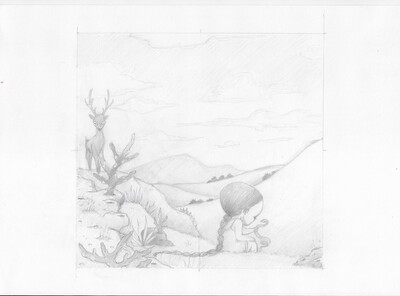
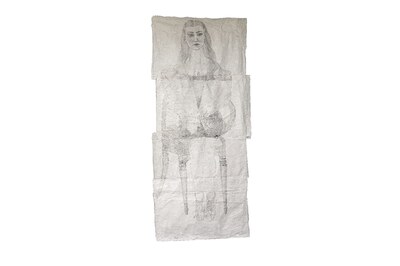
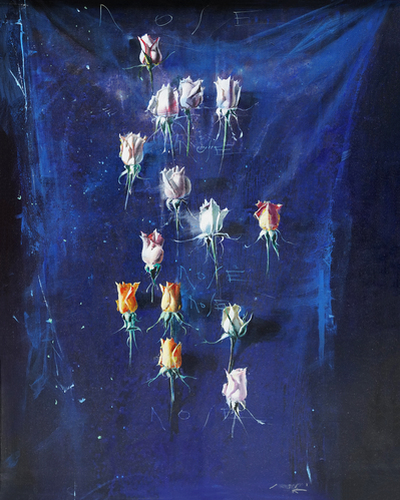
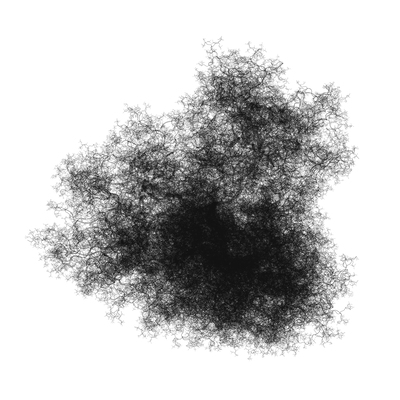
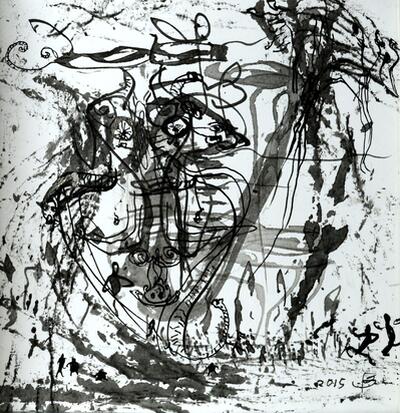
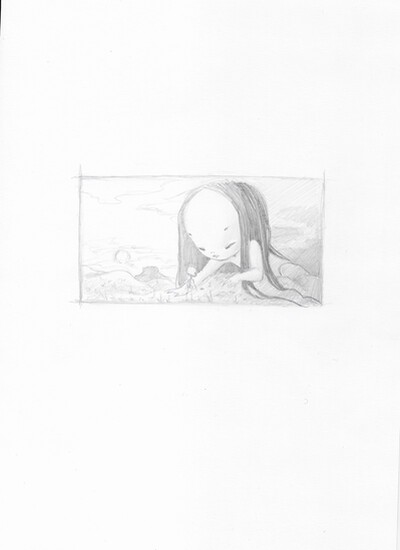
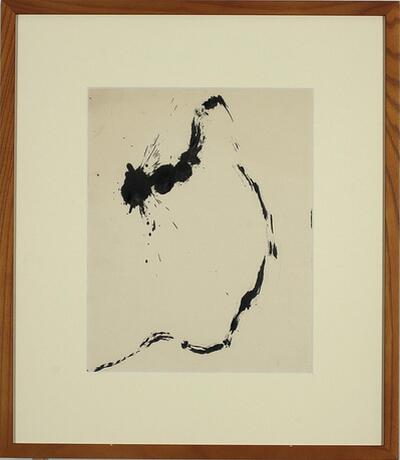
Nel disegno invece, il segno si manifesta come un veicolo di emozioni, un linguaggio in grado di tradurre sensazioni difficili da esprimere verbalmente. Ogni tratto rivela la sensibilità dell'artista, instaurando un legame intimo tra l'opera e chi la osserva. La leggerezza di un segno, la sua apparente semplicità, può evocare una profondità di pensieri ed emozioni, dando forma all'invisibile. Il disegno, in questo senso, diventa uno spazio di comunicazione in cui il visibile e l'invisibile si sovrappongono, creando una dimensione fluida che facilita un dialogo tra la rappresentazione esterna e l'esperienza interiore. Un esempio di questa fluidità è visibile nei lavori di Elena Simoni il cui tratto delicato, quasi impalpabile, dà vita a un mondo surreale, dalle atmosfere alienanti, animato da figure elusive - strumenti efficaci per esprimere dimensioni intime e psicologie complesse. In maniera affine, nei “Mourning Drawings" di Kiki Smith la linea non è più un confine fisico ma diventa un canale che trasmette un vissuto interiore, spesso intangibile e nascosto. Un’opera apparentemente semplice ma permeata da un’intensa carica simbolica che spinge l’osservatore a una riflessione più profonda sulla fragilità dell’essere umano, sulla vita e sulla morte e sulla difficoltà di comunicare emozioni complesse attraverso il linguaggio visivo.
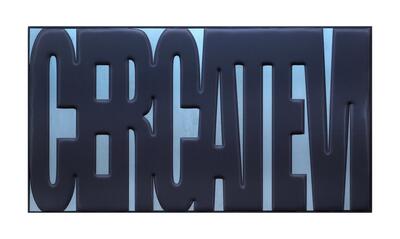
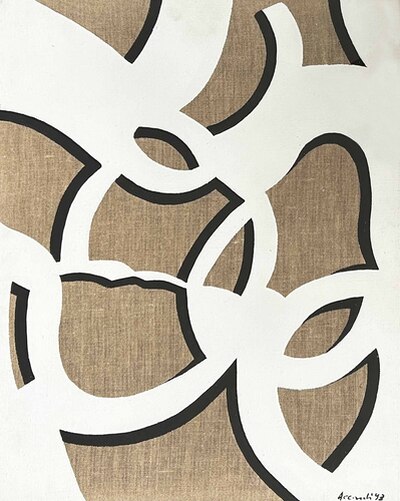
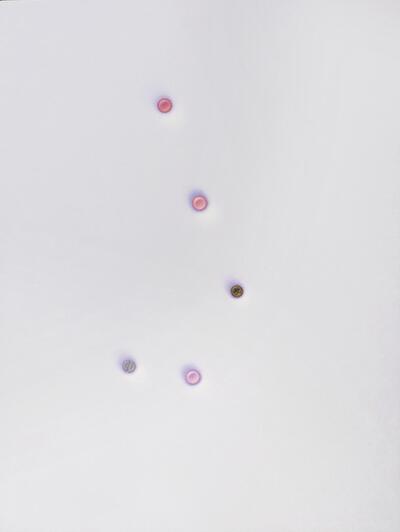
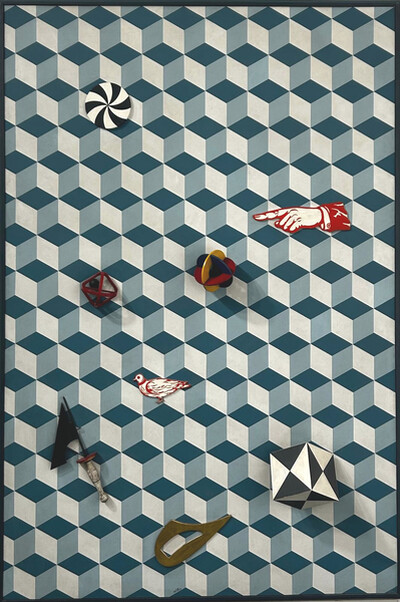
Allo stesso modo, nell'arte concettuale e nella poesia visiva, la parola si trasforma in un segno che trascende la sua funzione comunicativa. In queste correnti, il linguaggio si fa forma, la disposizione delle parole e il loro significato si intrecciano con l'immagine, generando diversi livelli di lettura. In “Cercatevi” di Mario Consiglio, ad esempio, la scrittura si distacca dalla sua funzione informativa per farsi grafismo: le parole non sono solo contenitori di significato, quindi, ma parti integranti dell’opera, con un ruolo simbolico e visivo. La scrittura, a volte frammentaria, diventa un mezzo per evocare atmosfere emotive e stimolare riflessioni sull’incomunicabilità. In questo modo, dunque, il segno non è più solo un elemento estetico o comunicativo, ma un potente strumento di significazione, che arricchisce l'opera di ulteriore profondità. Questa capacità del segno di aprire a più letture e significati è ciò che rende l'arte un campo di infinite possibilità interpretative: ogni volta che lo sguardo si posa su un'opera, il segno muta, creando nuove prospettive. La sua forza risiede proprio in questa incessante metamorfosi, che non solo sollecita una riflessione ma stimola anche il pensiero e la percezione di chi osserva, conducendolo in direzioni sempre diverse, a partire da uno stesso punto di partenza.
Nelle opere di questa collezione, il segno non è mai statico. Che sia un tratto, un colore o una forma, è carico di potenzialità simboliche e soggetto a molteplici letture, in quanto dipendente dal contesto e dall’esperienza individuale. È un elemento dinamico, un’intersezione tra visibile e invisibile, tra forma e significato, che invita l'osservatore a un continuo processo di introspezione e reinterpretazione.
—------------------------------------------------------------------------------------------------------------------------
Polysemy is the ability of a sign to express more than one meaning, sometimes even those opposed to its original one, due to the evolution of its use. This natural polyvalence is one of the main features of art. In this context, the sign is not simply a symbol or a representation of an idea; it becomes an open field of countless interpretive possibilities. This characteristic takes on various expressive forms in the works selected in this collection, such as in those by Alessandro Rauschmann, where the sign transcends its purely representational function. Neukölln (Square 6) reflects the artist's interest in the interaction between space and matter, playing with the idea of the square as a basic geometric shape to explore the tensions between geometric rigor and the spontaneity of the artistic gesture.
In her artistic practice, Olivia Vighi uses incisive marks and textured surfaces that seem to animate the surface, transforming it into a container for free, dynamic expression. This conveys a sense of movement and growth, as if the form were in a constant state of becoming. In drawing, on the other hand, the sign becomes a vehicle for emotions, a language capable of translating sensations that are difficult to express verbally. Each stroke reveals the artist’s sensitivity, establishing an intimate connection between the work and the viewer. The lightness of a sign, its apparent simplicity, can evoke profound thoughts and emotions, giving form to the invisible. In this sense, drawing becomes a space of communication in which the visible and the invisible overlap, creating a fluid dimension that facilitates a dialogue between external representation and internal experience. An example of this fluidity is found in the works of Elena Simoni, whose delicate, almost intangible stroke brings to life a surreal world with alienating atmospheres, inhabited by elusive figures—effective instruments for expressing intimate dimensions and complex psychologies.
Similarly, in Kiki Smith’s Mourning Drawings, the line is no longer a physical boundary but becomes a conduit for conveying an inner experience, often intangible and hidden. An apparently simple work, yet permeated with intense symbolic charge that compels the viewer to reflect more deeply on the fragility of the human being, on life and death, and on the difficulty of communicating complex emotions through visual language.
In a similar way, in conceptual art and visual poetry, the word itself becomes a sign that transcends its communicative function. In these movements, language becomes form, as the arrangement of words and their meanings intertwine with the image, generating various layers of interpretation. In Cercatevi by Mario Consiglio, for instance, the writing detaches from its informational purpose and becomes a graphic element: the words are no longer simply containers of meaning but integral parts of the work, playing both a symbolic and visual role. The writing, at times fragmented, becomes a means of evoking emotional atmospheres and stimulating reflections on incommunicability. In this way, the sign is no longer merely an aesthetic or communicative element, but a powerful tool of signification, imbuing the work with further depth. This capacity of the sign to open up to multiple readings and meanings is what makes art a field of infinite interpretive possibilities: every time the gaze rests upon a piece, the sign transforms, creating new perspectives. Its strength lies precisely in this continuous metamorphosis, which not only provokes reflection but also stimulates thought and perception in the viewer, leading them in different directions, starting from the same point of departure.
In the works of this collection, the sign is never static. Whether it is a stroke, a color, or a shape, it is imbued with symbolic potential and subject to multiple readings, depending on context and individual experience. It is a dynamic element, an intersection between the visible and the invisible, between form and meaning, inviting the viewer into an ongoing process of introspection and reinterpretation.
The collection’s works